

Sustainable Agriculture Facilitator
Supporting climate-smart agriculture and sustainable farming practices across South East Queensland.
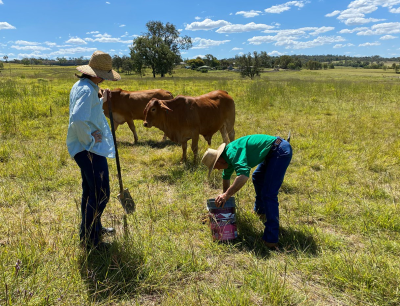 Engaging with farmers and stakeholders to promote climate-smart practices, build resilience to climate change, and help the agricultural sector.
Healthy Land & Water is leading the delivery of sustainable agriculture support through dedicated facilitators who connect farmers, landholders, and industry groups with resources and opportunities.
The Sustainable Agriculture Facilitator (SAF) role creates designated central contact points to support sustainable agriculture practices across our region. The facilitators engage with farmers and stakeholders to promote climate-smart practices, build resilience to climate change, and help the agricultural sector harness carbon and biodiversity incentives while protecting natural resources.
SAFs provide an unbiased and comprehensive approach to agricultural support that recognises both traditional and innovative farming methods while addressing the unique challenges of South East Queensland's agricultural sector. Through the SAF role, we create connections between farmers, industry, and support services to build a more sustainable and resilient agricultural industry.
Empowering farmers and landholders to adopt sustainable practices and build climate resilience
What we are doing
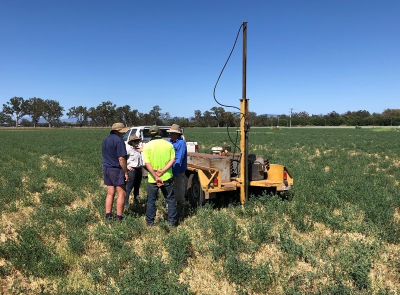 Facilitating partnerships and connections between stakeholders to achieve sustainable agriculture outcomes.The SAF role focuses on:
- Engaging and informing farmers, landholders, and industry groups about climate-smart agriculture practices, including natural resource management, biodiversity, and carbon markets.
- Facilitating partnerships and connections between stakeholders to achieve sustainable agriculture outcomes.
- Supporting the delivery of sustainable agriculture projects through events, communication activities, and communities of practice.
Measuring success
As a result of the project, the following will be achieved:
- Promotion and support of Climate Smart agricultural practices and recovery support programs.
- Improved understanding of landscape processes and agricultural potential for landholders.
- Enhanced delivery of Rural Essentials workshops and property planning support.
- Regular updates and knowledge sharing between agricultural agencies and researchers.
- Direct feedback to the Australian Government on regional agricultural needs.
Why the SAF role is important
|
Rural areas make up over 85% of South East Queensland (approximately 1.9 million hectares), with grazing as the dominant land use covering over 50% of the landscape. The region's agricultural sector faces numerous interconnected challenges that highlight the critical importance of this project. Extreme weather events, including droughts, floods, and fires, continue to impact both productivity and farmer wellbeing across target areas. Water access and security have emerged as significant constraints on agricultural production, while the changing demographics of land use present new engagement challenges as viable agricultural land is increasingly subdivided into smaller blocks with more off-farm employment and absentee landholders. The horticulture industry continues to grapple with worker shortages, a legacy of COVID-19's impact on overseas travel that has yet to fully resolve. Additionally, the sector's aging demographic shows a strong preference for traditional methods of receiving information and communication, necessitating more intensive support for the adoption of new technology and innovation. The challenge of establishing effective links between researchers and extension agents further compounds these issues, making it difficult to translate new research and science into practical, farm-scale applications. Political instability, including changing governments, restructures of farmer support agencies, and shifts in funding priorities, creates additional obstacles for farmers attempting to implement long-term sustainable agriculture practices. This is further complicated by the lack of continuity in agricultural extension programs, resulting in staff turnover and the loss of skilled professionals who have established trusted relationships with farmers. The region also faces ongoing biosecurity threats, both potential and current, including the spread of fire ants throughout the area. |
Project snapshot
| Project name: | Climate Smart Agriculture Program – Sustainable Agriculture Facilitators (2024 - 2028) $734,740 |
| Project manager: | Lene Knudsen, Healthy Land & Water |
| Project team: | Renee Ould and Emily Hedger |
| Catchment: | South East Queensland |
| Funders/Partnerships: | Sustainable Agriculture Facilitators are supported by the Australian Government through funding from the Natural Heritage Trust under the Climate-Smart Agriculture Program. |
What's next
There is huge potential to build on the successful work.
Project collaborators
Sustainable Agriculture Facilitators are supported by the Australian Government through funding from the Natural Heritage Trust under the Climate-Smart Agriculture Program.
